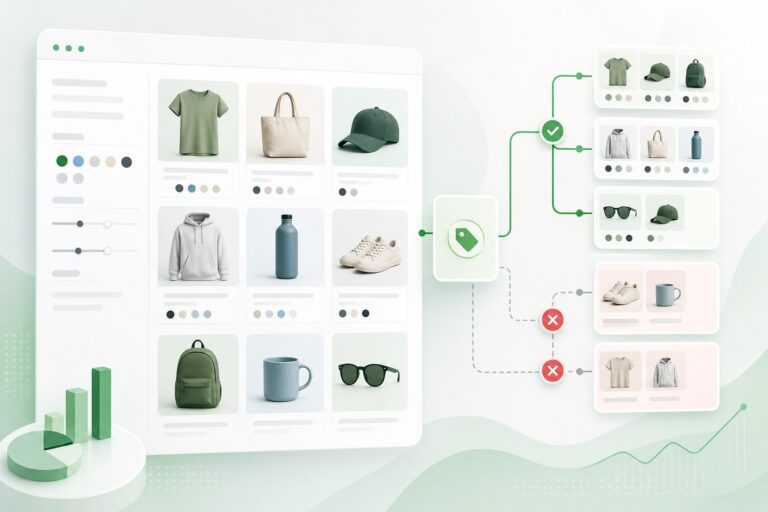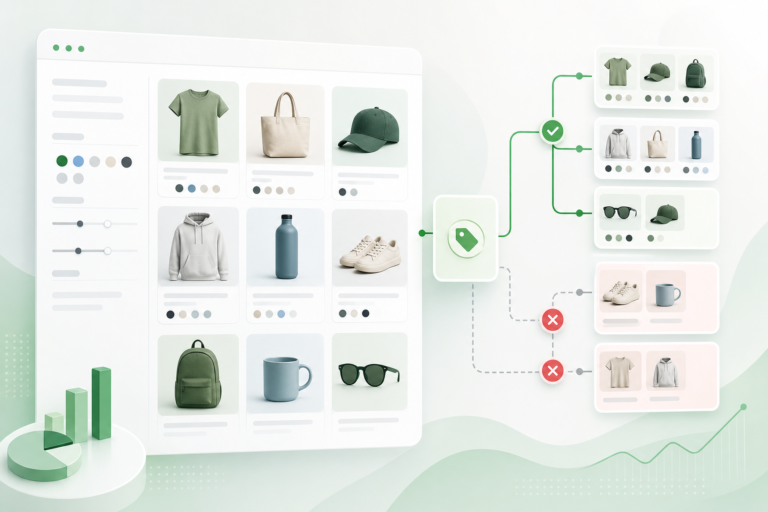
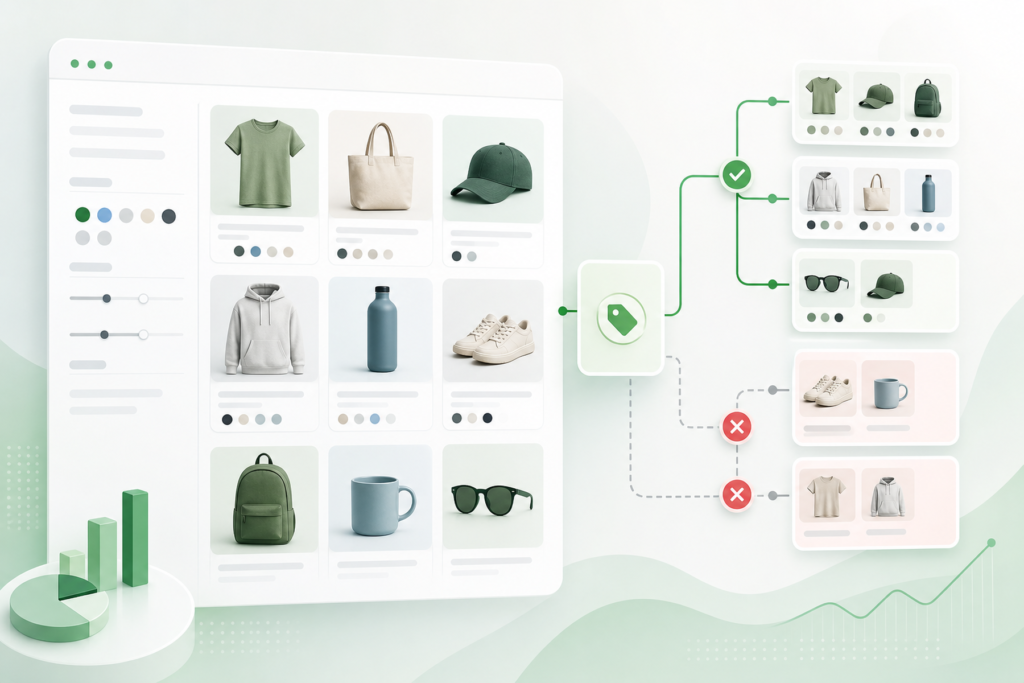
Shopify’s collection model has become more expressive with multiple source types and stronger membership logic. For teams with merchandising-heavy stores, that is a major capability gain—and a major regression risk if every downstream tool is not aligned.
The Shopify changelog update introduces broader collection source handling for apps and storefront integrations. For agencies, the critical question is not whether a feature exists; it is who can see and manage the new structures after release.
Where this impacts business operations
When collection sources control membership, filters, promotions, and scripts all start reading membership through different assumptions. A report can still look correct while a downstream app sees a different result set, especially across manual and API-driven updates.
For SEO, this can also affect what surfaces in search-friendly storefront pages. If taxonomy or collection logic shifts, product groupings in crawlable paths can drift from what your team planned in advance.
Implementation checks
- Inventory apps and integrations that read collections for filtering, search, merchandising, and reporting.
- Run before-and-after validation for a key collection with manual, include, and exclusion rules.
- Verify search indexing and site search snippets still map to the expected collection structure.
- Document ownership for any app-created collection sources to avoid silent dependency on one tool.
In short: this is a technical change, a merchandising change, and a discoverability change at the same time. Treat it like a release across all three teams.
Related practical reading: A related Shopify merchandising model update.
Author